← BACK TO BLOG INDEX

Behind-the-scenes

From the studio to the street, I look upon the work I've done, and the lessons I've learned as I've gone from budding amateur to working photographer.

Studio Setup for a Commercial Shoot

How to use lighting, backdrop and wardrobe to create a natural effect

▼

Building a Natural Studio Portrait

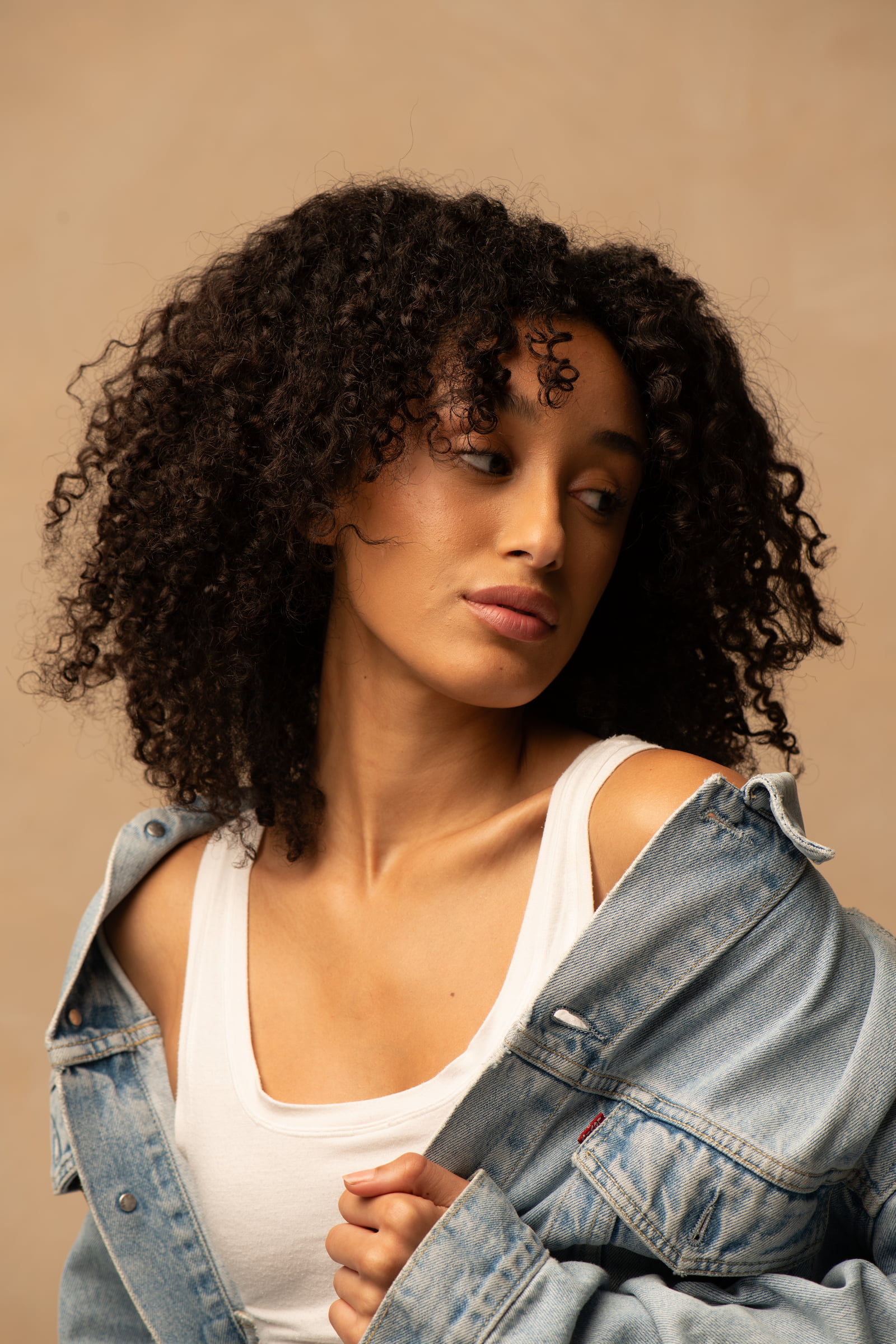
Everything in this shoot was chosen to keep the portrait natural, warm and unforced, building towards a relaxed, denim-led Americana look that still feels commercial.

Light: I used one large softbox, placed 45 degrees camera left and angled down towards subject, for Rembrandt lighting. The size of the source wraps softly around the face, while the angle leaves a shadow on one side that adds shape and depth. I wanted that shadow to bring contrast to the softness.

Backdrop: I skipped the white backdrop for a peachy, textured wall. White can feel clinical and flat, whereas the wall adds warmth and texture, and complements darker skin tones rather than washing them out.

Wardrobe: The wardrobe was deliberately worn-in and relaxed, the kind of pieces that look lived-in rather than styled. That keeps the focus on the person, not the outfit.

Result: A natural, denim Americana look that feels both relatable and commercial.
Studio Setup for a Commercial Shoot

Light Leaks: A Lesson Learned in India

What a faulty Canon AE-1 taught me about shooting film

▼
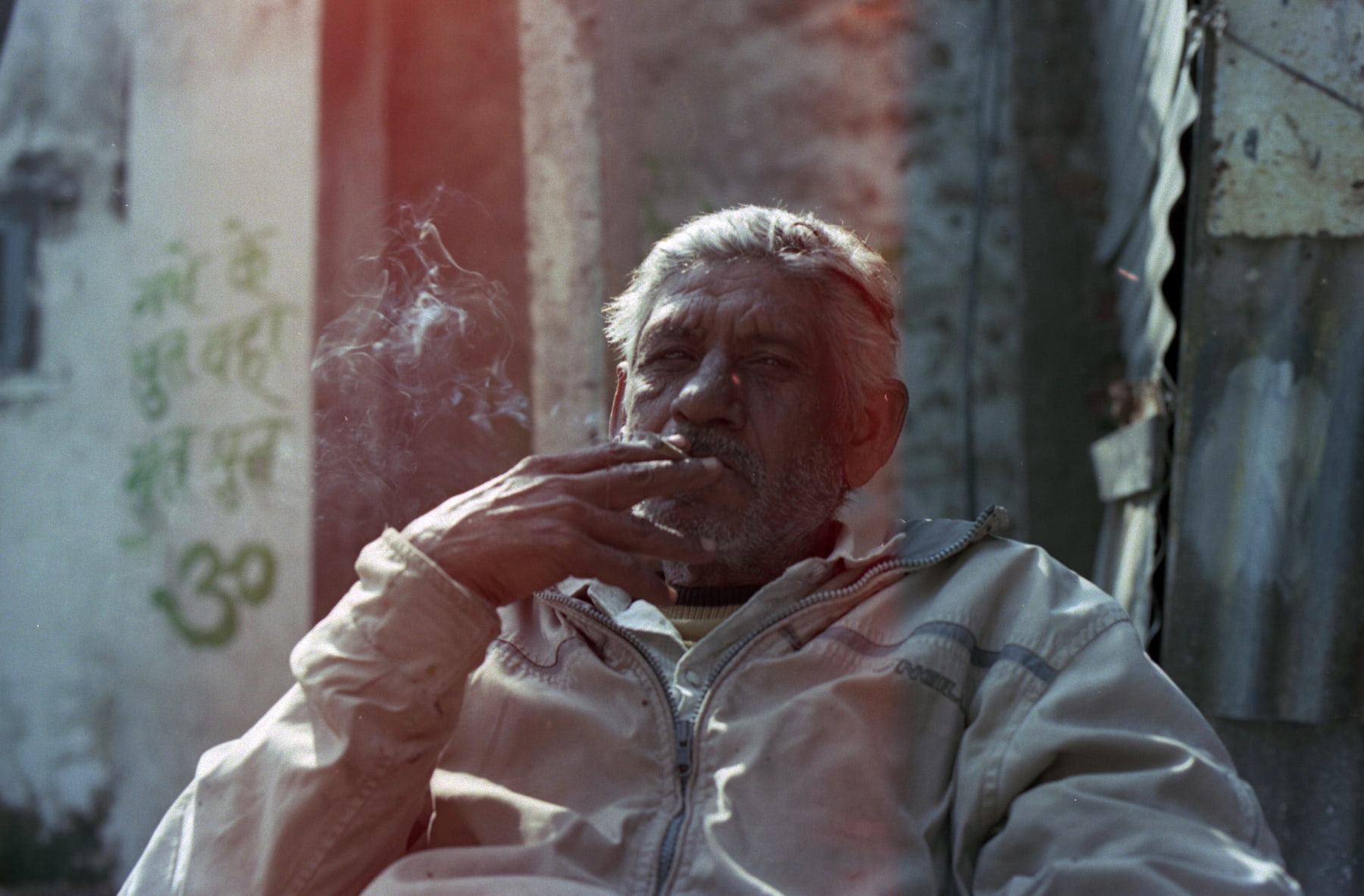
Man smoking a beedi in Karnal, Haryana

300 Frames Lost to a Light Leak

In early 2025, I travelled through India and shot 13 rolls of film on my Canon AE-1. Unbeknownst to me, worn light seals were letting stray light into the camera.

I only found out two months later, back in England, once I'd had them developed..

Over 300 of my 450-plus frames were affected. Oh boy. That was a tough hour. I felt very sorry for myself, but after the frustration passed, I realised I should've tested a roll before leaving. With no immediate feedback loop, film often teaches you the hard way.

Most of the leaks were heavy enough to ruin the photo, but this one got lucky. The glow sits away from his face and adds a warmth I certainly didn't plan.

A light leak can be a happy accident, and this one might fall into that category, but I prefer a cleaner frame. Now I test a roll before any big trip and carry a backup body when I can. Setbacks happen, but this one made preparation non-negotiable for me.

How to Find a Documentary Project

What a night on a London narrowboat taught me

▼

Finding Your Next Documentary Topic

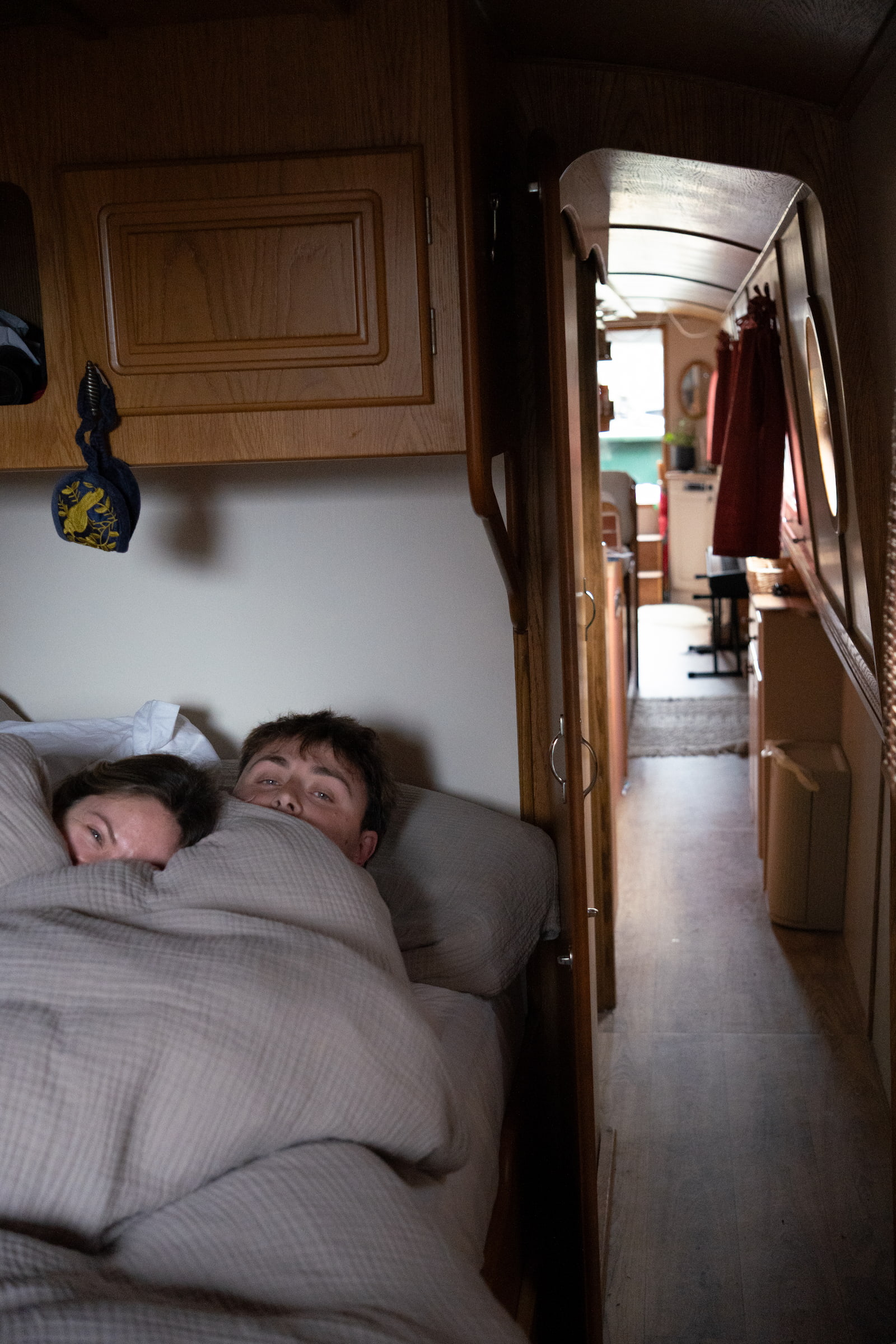
Great documentary ideas often start with something you already notice. Living in London, it's hard to ignore how expensive rent is, and for many young adults today, a home of their own feels further away every year. So when two good friends, Herbie and Alex, chose to pool their savings and buy a narrowboat, it piqued my curiosity.

A boat is a tight, intimate space, so I narrowed the project to one home and two people. I'd visited a few times and talked the idea through with them beforehand, so the trust was already there.

I shot at 28mm inside, where the boat is so narrow, and at 50mm outside. I stayed the night, started shooting at 7pm, then woke at 6:30 for an hour of shooting before they left for work.

My advice: if you've got an idea, go for it. If you keep thinking about it, that's your sign. Start with what you already notice, and pick subjects you trust.

Life on a London narrowboat